Today's Guide to the Marketing Jungle from Social Media Examiner...
presented by
Here’s a recap of the most important insights, trends, and updates you need to know about today, Alluser! Catch up in minutes and go into the rest of the week prepared.
In today’s edition:
Meta advertising has changed. Has your strategy?
Tools to scale your social media ad creative
🗞️ Industry news from Instagram, YouTube, and more

What's Holding Experienced Meta Advertisers Back (And How to Fix It)
As Meta advertising continues to evolve, many marketers, even seasoned marketers, are facing an uncomfortable realization. Approaches that once delivered consistent results are no longer performing the same way:
And yet, letting go of those methods isn’t easy.
If you’ve spent years refining your marketing systems, it can feel counterintuitive to trust automation, simplify your setup, or shift your focus away from what used to work. At the same time, newer marketers without those habits are often adapting faster.
Before you double down on your current approach, it’s worth asking: are you optimizing for how platforms work today—or how they used to?
Jon Loomer shares eight changes, what still matters, and how to adjust your strategy moving forward. Read more here.
Stop Wondering. Start Discovering.
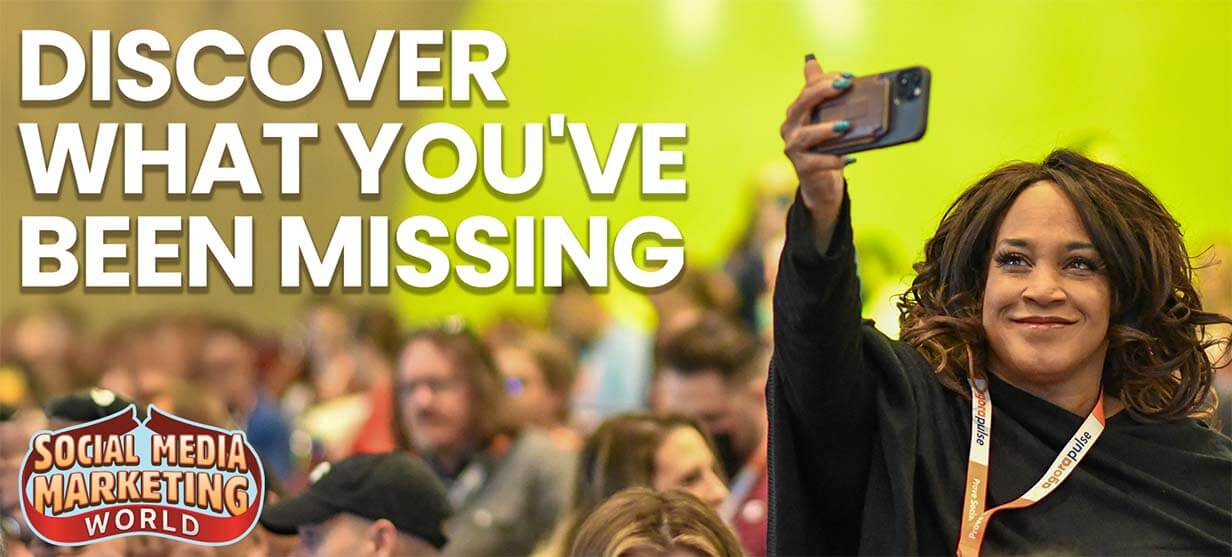
In just two weeks, the world’s top marketers are meeting in Anaheim for Social Media Marketing World 2026 (April 28–30).
If you’re ready to master AI and social strategy alongside a global community, these are the rooms you need to be in. As attendee Laura Pence Atencio says, “It’s one of my favorite things to do as an adult. It reminds me of summer camp when I was a kid!”
Save $250 on All-Access Tickets! Sale ends today.
Secure Your All-Access Tickets for Anaheim
Leveraging AI Creative in 2026
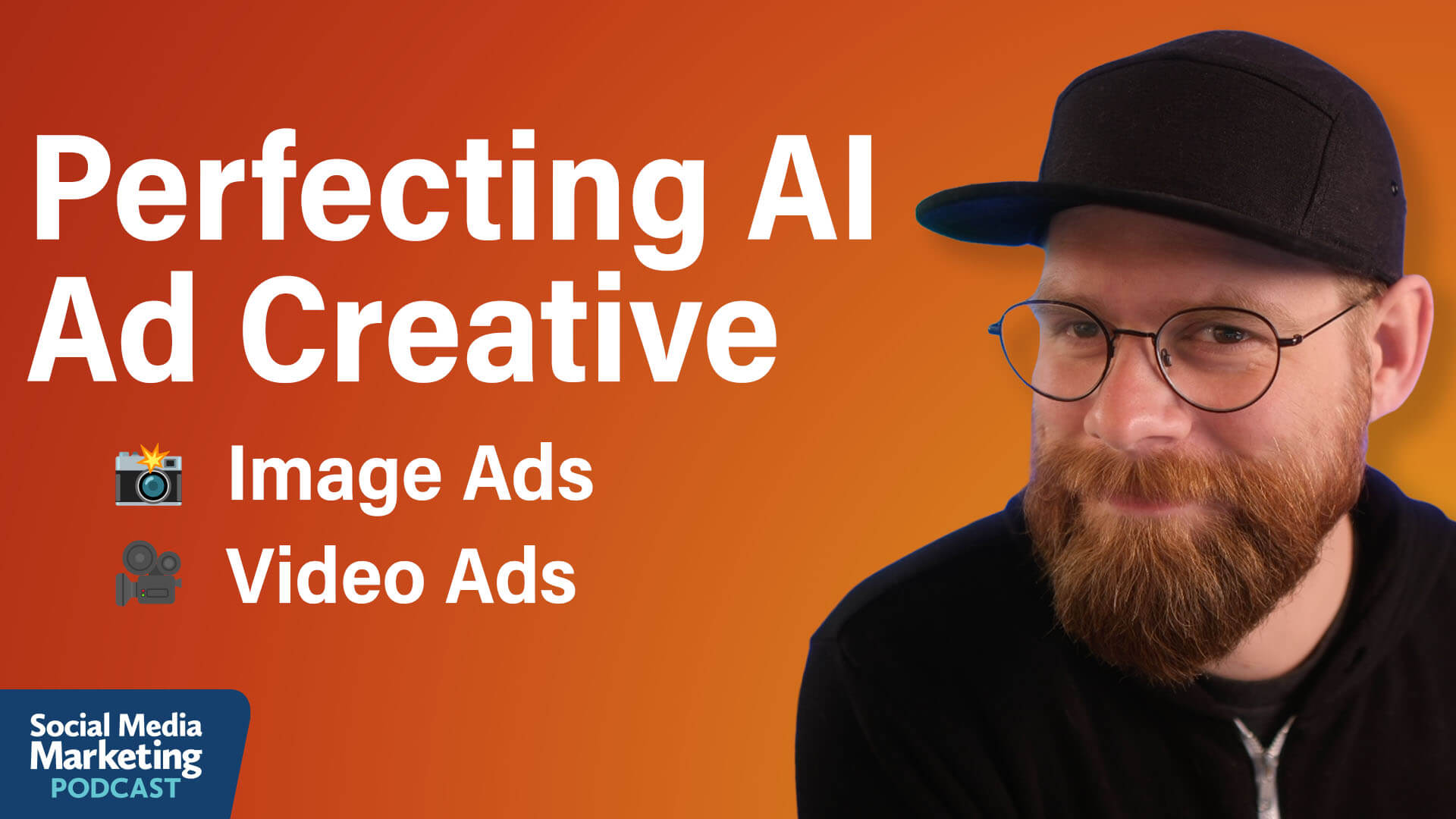
Caleb Kruse describes the latest shift in ad creative as something advertisers must learn whether they choose to or not.
Meta's stated goal is to fully automate the media buying cycle for a future where a business enters a product URL, describes what they sell, sets a budget, and lets the platform generate all the creative without any human involvement. Their acquisition of Manus, a fully agentic tool that analyzes media buying and generates creative autonomously, has already moved them meaningfully closer to that goal.
Every major platform is heading in the same direction. Google and Meta have embedded their own AI image and video generators directly into their ad tools. TikTok's parent company, ByteDance, has built AI models that rank among the most capable available anywhere.
Platforms aren’t waiting for advertisers to catch up; they're building AI into the infrastructure itself. Marketers who don’t adjust now will fall behind.
2 Ways to Develop Image Ads With AI
Caleb says most advertisers begin with image ads, and for good reason. Image generation is more accessible, the feedback loop is faster, and the tools have matured to the point where the outputs are consistently usable.
The primary model he recommends is Imagen 3, marketed by Google as Nano Banana (Nano Banana 2 is their faster flash model; Nano Banana Pro is their more advanced tier, accessible through Google's Gemini Pro subscription).
How Model Winning Ad Creative
The first use case Caleb describes is using AI to replicate the structure of high-performing ad formats with your own product. Common formats include an "us vs. them" comparison, a product feature callout, or a before-and-after comparison.
The workflow starts with competitive research.
Free tools like the Facebook Ads Library let you search any brand's active ads and, with a recent update, view relative impression ranges — so you can gauge which ads are actually performing, not just running.
Paid ad intelligence tools like Foreplay, CreativeOS, and Atria go further, offering curated libraries of creative assets across the direct-to-consumer space.
When you find an ad that resonates, screenshot it, upload it to a tool like Nano Banana, and prompt it to reproduce the same format with your product, your brand colors, and your fonts.
Pro Tip: Text rendering on products, historically one of the weakest points in AI image generation, has improved dramatically and is now reliable in most cases.
How to Create UGC-Style Ads
The second category Caleb calls "ugly ads," borrowing a term from Barry Hott, who has built a following in the DTC community around this format. Caleb also calls these "chameleon ads" because they take the shape of the organic content around them.
Ugly ads are ads designed not to look like ads. These ads blend into the feed rather than announcing themselves as advertising. Instead of polished studio imagery, they use a selfie aesthetic. For example, an ad that shows someone holding a product in a natural setting, and uses platform-native fonts from Instagram, TikTok, or Snapchat.
Caleb says this format is his primary use case for image ads because, in his experience, they perform much better.
Other topics discussed include:
Risks and Considerations to Consider Before You Start Using AI for Ads: Brand Safety, FTC Compliance, Platform Rules
Generate an AI Persona for Your Image Ads
Produce Original AI Video Scene by Scene: CapCut and Final Cut Pro
Generate Precise Multi-Scene Original Video With Kling
Create AI-Directed Original Video With Sora 2
Refresh Existing Video Ads With Kling or Sora 2
Tools and Tips for Enhancing AI Video Ads: Voice Cloning and Lip-Sync, Sound Effects, Aspect Ratio Adaptation
Today's advice is provided with insights from Caleb Kruse, a featured guest on the Social Media Marketing Podcast.

Tired of Sending Feedback Twice?
If you work with designers, copywriters, video editors, or web developers—you know the pain. You explain it. They miss it. You explain it again.
NoteGo ends that cycle. Instead of writing another email that gets misread, just record your screen, draw directly on what needs to change, and let AI capture every key moment automatically.
One recording. Zero confusion. No revision meeting required.
Get NoteGo for free now!

Instagram Adds Comment Editing: Instagram has introduced the ability for users to edit their own comments within 15 minutes of posting, allowing multiple revisions during that window. The update enhances user control over conversations, helping correct mistakes or refine responses without needing to delete and repost comments. Instagram via Threads
Instagram Expands Affiliate Monetization to Reels: Instagram is introducing affiliate product tagging in Reels, enabling creators to earn commissions when viewers purchase items featured in their videos. Instagram
X Adds Voice Notes to DMs: X has introduced voice notes within its X Chat messaging system, allowing users to send audio replies in direct messages. X
X Expands Grok-Powered Features with Translation and AI Image Editing: X is rolling out automatic translation for posts worldwide alongside a new AI-powered photo editor driven by Grok. Users can now seamlessly view content across languages and edit images using simple text prompts, marking a push toward more interactive, AI-enhanced content creation. TechCrunch
YouTube Enhances Creator Monetization Tools and AI Creation Features: YouTube has upgraded its Media Kit with new audience insights like shopping behavior, household income, and family status, giving creators more robust data to support brand partnerships. At the same time, YouTube Create now integrates Gemini-powered image generation, allowing creators to produce visuals using prompts and reference images directly within the app. YouTube
What Did You Think of Today's Newsletter?
Michael Stelzner, Founder and CEO
P.S. Add
michael@socialmediaexaminer.com into your contacts list. Use Gmail?
Go here to add us as a contact.
We publish updates with links for our new posts and content from partners. Your information: Email:
tukangpostemel@gmail.com Opted in on: 2021-09-06 17:03:43 UTC.




