Today's Guide to the Marketing Jungle from Social Media Examiner...
presented by 
The weekend is almost here, Alluser! Here's a recap of the most important insights, trends, and updates from the week. Catch up in minutes and go into next week prepared.
In today's edition:
-
AI can fake authenticity—so, what makes Instagram content credible?
-
Creating infographics with NotebookLM
-
How to outpace your competitors with video
-
A strategic framework for building a team of specialized AI "employees"
-
🗞️ Industry news from Reddit, TikTok, Amazon, and more

Adam Mosseri on the Future of Visual Credibility
As we enter 2026, the rules of visual trust are quietly collapsing—and Instagram may not be ready. In a world where AI-generated content looks as real as anything captured on a camera, the old signals of authenticity—imperfections, rawness, even unflattering moments—are being co-opted by synthetic media. And that changes everything for creators and marketers.
For marketers integrating AI into their content workflows, this raises big questions: What does "real" even mean anymore? How do you build trust with an audience that's learning to doubt their eyes?
The shift underway isn't just technical—it's cultural. The polished aesthetic of the past is losing its edge, replaced by content that feels honest, flawed, and uniquely human. But AI is already learning that look, too.
This post from Instagram's Adam Mosseri explores why the creator economy isn't going anywhere—and what marketers need to understand about the next era of visual storytelling, credibility signals, and audience trust. Read more here.
Infographics Without a Design Team
If you've ever wished for a faster, more efficient way to turn dense content into clear, engaging visuals, Google's latest Notebook LM update may be the solution.
Rick Mulready shows of its new capability that allows marketers to generate sleek, professional infographics from transcripts, videos, white papers, and more—no design skills required.
The tool's intuitive interface paired with AI-powered customization makes it especially valuable for small business marketers who need to move quickly. From distilling podcast episodes into shareable summaries to transforming standard operating procedures into easy-to-reference visuals, Notebook LM offers a surprisingly powerful way to enhance internal communications and external content alike.
See how other professionals are using it across formats, and explore how it might fit into your own content strategy. Watch more here.
How to Position Yourself as a Video Influencer People Will Love
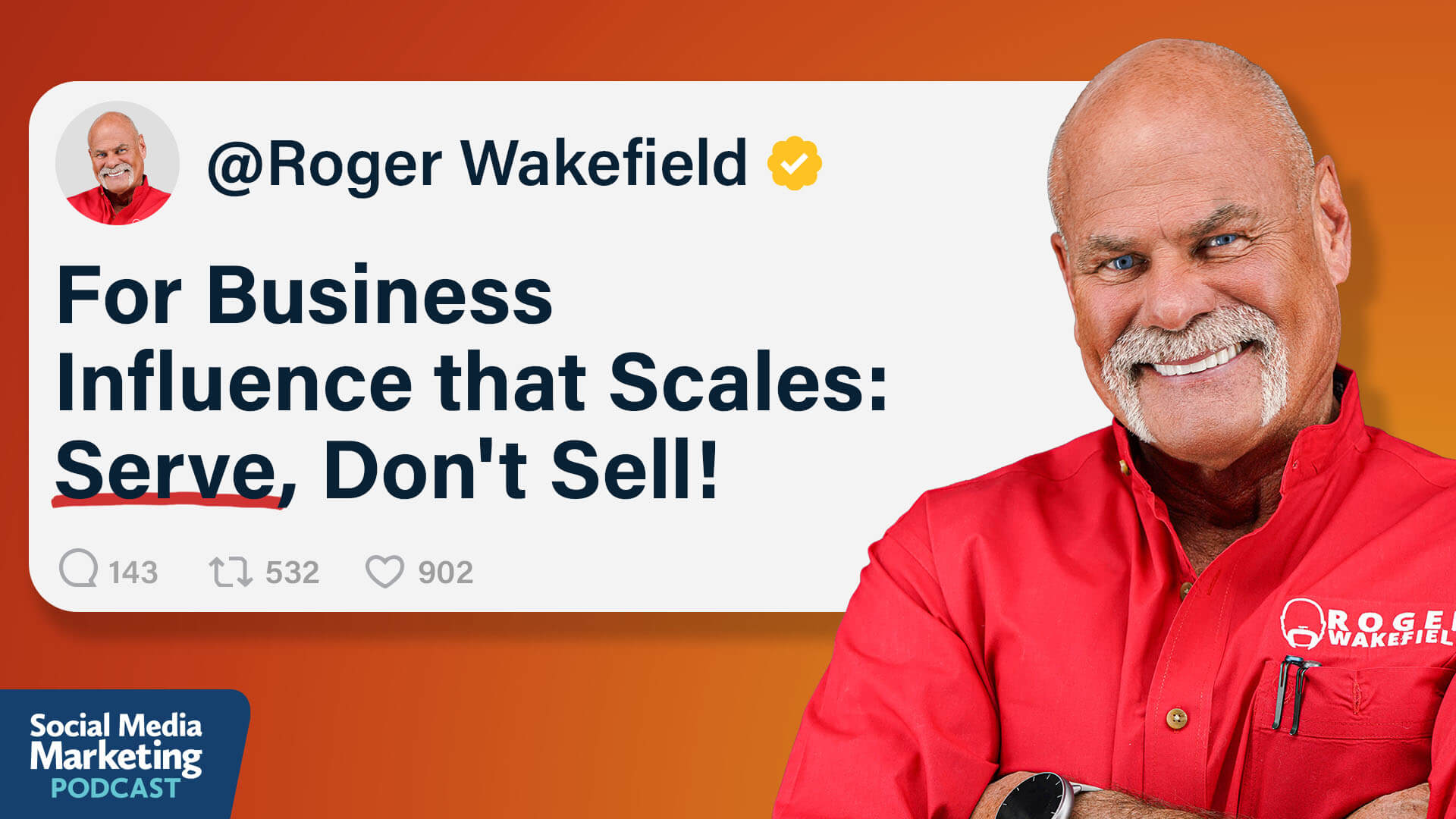
A lot of businesses make the mistake of treating YouTube like a digital attic—a place to simply store videos they embed elsewhere. But you need to look at it differently: YouTube is the second-largest search engine in the world, and it's owned by Google.
If you are already investing in Google search, you should be investing in YouTube. The strategy isn't to just broadcast information; it's to answer the specific questions your potential customers are already asking.
This requires shifting your mindset from chasing viral hits to creating evergreen content. Viral videos are exciting, but they are fleeting. Evergreen content, like a tutorial on "How to fix a running toilet," solves a problem today, next month, and next year. It works for you 24/7, constantly introducing new people to your brand.
Here is a secret benefit of video that most people miss: video can skyrocket your website's performance.
By consistently creating helpful videos, Roger Wakefield—a plumber with a small local business—was able to outrank competitors with $80 million to $90 million in revenue on Google.
How? His videos included calls to action that drove viewers to search for his brand and visit his website. This surge in traffic raised his Domain Authority, allowing his small business to dominate search results against massive competitors. Here's how you can do the same…
Develop Content Buckets That Serve Your Audience
Staring at a blank content calendar is daunting. To make it easier, categorize your videos into specific buckets. This ensures you always have a variety of content that serves different purposes.
How-To Videos: These are your bread and butter. They solve specific problems. If someone is searching for a solution, they don't want a long-winded story; they want help. Be direct, be clear, and solve their problem step-by-step.
Reviews and Comparisons: These videos guide purchasing decisions and build immense trust. You can review products by comparing "cheapest versus most expensive" or "good versus bad". For instance, buying the cheapest tool on a marketplace and testing it against a professional version shows you are looking out for your audience's wallet.
Reaction Videos: This is a fun way to demonstrate authority. You can watch a video of someone else attempting a task in your industry and provide commentary. If they make a mistake—like installing a toilet backwards—explain why it's wrong. If they do a great job, give them credit. It's education wrapped in entertainment.
Business Tips: Even if you are in a technical trade, sharing business advice broadens your appeal. The principles of running a good business are universal. You might find that a chiropractor or a baker watches your plumbing channel simply because your business tips help them run their own company better.
Plan a Quarterly Content Calendar
Consistency is the hardest part of video marketing. If you don't have a system, you will burn out.
Instead of trying to come up with ideas every single week, plan in quarters using a 13-week formula consisting of 26 videos (two per week).
At the end of the cycle, look at the data. Analyze what tanked and what worked, then plug new topics into those successful formats for the next 13 weeks. This takes the guesswork out of production.
Other topics discussed include:
-
Scripting and Structuring Your Video Content
-
Mastering On-Camera Performance
-
Engagement Beyond Surface Replies
-
Raising Your Authority With Sponsorships
Today's advice is provided with insights from Roger Wakefield, a featured guest on the Social Media Marketing Podcast and speaker at Social Media Marketing World.
Building a Team of AI Employees That Easily Scale Your Business
Many people assume that AI assistants will work really well out of the box. They try a baseline version of the tool, get mediocre results, and decide the technology isn't great. But the tech isn't the problem; the setup is the problem.
A generic assistant gives you generic output. To get high-quality results, you need to invest time in building the back end to transform the AI from a blank slate into a reliable team member. By building custom AI assistants such as custom GPTs, Claude Projects, or Gemini Gems, you can drastically improve efficiency.
When properly trained, these assistants can handle up to 70% of projects or tasks that were previously manual or outsourced.
Step 1: Create Your Brand Book
The first step is not to open your AI tool, but to create a comprehensive Brand Book. Think of this as the training manual you would hand to a new hire on their first day. This document is the foundation of your AI team and ensures every output aligns with your business identity.
While a standard brand guide might be a few pages, an AI Brand Book is typically 50 to 100 pages long. You don't have to write this manually; you can use AI to help you generate it.
Your Brand Book should cover three core areas:
Target Audience Deep Dive (30–40%): Most marketers stop at basic demographics. For AI to be effective, you must go deeper. Include your audience's trigger events that cause them to purchase, their social and emotional desires, their perceived risks, and the specific roadblocks they face.
The Business Owner Deep Dive (40%): This section covers your backstory, personality, and writing style. Include specific phrases you use, quirks in your language, and your formatting preferences. You can feed examples of your writing into an AI tool and ask it to analyze your style to help populate this section.
Offers and Principles (10–20%): Detail your products, services, and the high-level features of your offers. This ensures the AI understands exactly what you sell.
Save your Brand Book as a Markdown (** .md ) or text ( .txt **) file rather than a PDF. PDFs can sometimes be difficult for AI to read in the back end, while Markdown acts like a coding language for formatting.
Other topics discussed include:
-
Build the Knowledge Files
-
Write the System Instructions
-
Advanced Tactics for Power Users
Today's advice provided with insights from Gemma Bonham-Carter, a featured guest on the AI Explored podcast.

Amazon AI-Powered Buy-For-Me Lists Products Without Brand Consent: Amazon has rolled out new AI-powered shopping features that present and transact third-party products it doesn't sell, all within its app. Backed by an internal system called Project Starfish, Amazon scrapes public product data at scale and reinterprets it using AI—often without brand consent. This enables Amazon to expand selection and retain user engagement without onboarding sellers. The company's ability to block external crawlers while harvesting others' data underscores a structural imbalance that favors platform giants over independent retailers. The initiative signals a shift toward a commerce landscape where data control is centralized and consent is optional. Forbes
Meta Acquires Manus to Power Next-Gen AI Agents: Meta has acquired Manus, a company specializing in autonomous AI agents that can perform complex tasks independently, including coding, market analysis, and more. The Manus technology will be embedded across Meta's suite of products, including Meta AI, while continuing to operate as a standalone service. With over 147 trillion tokens served and 80 million virtual computers created, Manus is already a staple for millions of users and businesses. Meta aims to scale these tools globally, accelerating innovation for billions. Meta
Reddit Unveils Max Campaigns for AI-Powered Advertising: Reddit has launched Max campaigns in beta, an AI-driven automated ad solution that leverages Reddit Community Intelligence™ to optimize performance and deliver deeper audience insights. Advertisers benefit from automated targeting, creative rotation, and budget allocation while maintaining strategic control. Early testers reported lower costs and higher conversions, with features like Reddit-style headline suggestions and AI-based asset adjustments. A new Top Audience Personas tool offers unique visibility into campaign engagement using Reddit's vast content data. Max campaigns are now available to select advertisers with broader access rolling out soon. Reddit
TikTok Rolls Out GamePlan for Sports Marketing: TikTok has launched GamePlan, a global initiative to help sports organizations leverage the platform's highly engaged fanbase. The suite includes interactive features that turn viewers into active fans—linking to schedules, ticket sales, and fan-created content—all from within TikTok. With tools for creator campaigns and real-time analytics, GamePlan enables sports partners to deepen audience engagement and boost conversions. TikTok
What Did You Think of Today's Newsletter?
Michael Stelzner, Founder and CEO
P.S. Add
michael@socialmediaexaminer.com into your contacts list. Use Gmail?
Go here to add us as a contact.
We publish updates with links for our new posts and content from partners. Your information: Email:
tukangpostemel@gmail.com Opted in on: 2021-09-06 17:03:43 UTC.




